

Modern cars are no longer just machines that take you from one place to another—they are becoming intelligent systems designed to enhance safety, comfort, and driving efficiency. One of the most significant advancements in automotive technology is ADAS, which stands for Advanced Driver Assistance Systems. If you’ve ever wondered what is ADAS in cars, you’re not alone. This technology is transforming how we drive and interact with vehicles.
Understanding what is ADAS in cars is essential, especially as more manufacturers integrate these systems into both premium and budget vehicles. From automatic braking to lane-keeping assistance, ADAS features are designed to reduce human error, which is one of the leading causes of road accidents worldwide.
As roads become more crowded and driving conditions more complex, ADAS is playing a crucial role in improving road safety. This article will walk you through everything you need to know—from how it works to its benefits, features, and future developments.
What Is ADAS in Cars?
At its core, what is ADAS in cars can be explained as a collection of electronic technologies that assist drivers while driving or parking. These systems use sensors, cameras, radar, and artificial intelligence to monitor the vehicle’s surroundings and provide real-time feedback or intervention when necessary.
ADAS acts like a co-pilot that continuously observes the road. It can warn drivers about potential hazards, help maintain lane discipline, adjust speed automatically, and even apply brakes in emergencies. While it doesn’t completely replace the driver, it significantly enhances driving safety and convenience.
The primary goal of ADAS is to minimize accidents caused by human error. Whether it’s distracted driving, fatigue, or poor visibility, these systems are designed to step in when the driver may not react quickly enough.


How Does ADAS Work?
To fully understand what is ADAS in cars, it’s important to look at how these systems operate behind the scenes. ADAS relies on a combination of hardware and software working together seamlessly.
The system gathers data through various components such as cameras mounted around the vehicle, radar sensors, ultrasonic sensors, and sometimes LiDAR. These sensors continuously scan the environment to detect objects, pedestrians, road signs, and lane markings.
Once the data is collected, it is processed by advanced algorithms and onboard computers. The system then makes decisions in real time—whether it’s alerting the driver, adjusting steering, or applying brakes. This rapid response capability is what makes ADAS highly effective in preventing accidents.
For example, if a vehicle ahead suddenly stops, the system can detect it instantly and either warn the driver or apply emergency braking automatically if the driver doesn’t respond in time.
Key Features of ADAS
Understanding the features helps clarify what is ADAS in cars and why it’s becoming essential in modern vehicles. These features vary depending on the car model but generally include a combination of safety and convenience technologies.
Common ADAS Features:
- Adaptive Cruise Control (ACC): Automatically adjusts speed to maintain a safe distance from the vehicle ahead.
- Lane Departure Warning (LDW): Alerts the driver when the vehicle unintentionally drifts out of its lane.
- Automatic Emergency Braking (AEB): Applies brakes automatically to prevent or reduce collision impact.
- Blind Spot Detection (BSD): Warns drivers about vehicles in their blind spots.
- Parking Assistance: Helps with parallel or reverse parking using sensors and cameras.
These features collectively improve driving confidence and reduce the likelihood of accidents, especially in busy traffic conditions.
Types of ADAS Systems
When exploring what is ADAS in cars, it’s helpful to know that these systems are generally categorized based on their functionality.
1. Passive ADAS Systems
Passive systems provide warnings but do not take direct action. For instance, lane departure warnings or forward collision alerts notify the driver but leave the response to them.
2. Active ADAS Systems
Active systems go a step further by intervening when necessary. Automatic braking, lane-keeping assist, and adaptive cruise control are examples where the system actively controls the vehicle.
3. Combined Systems
Most modern vehicles use a combination of both passive and active systems to provide a comprehensive safety net.
This layered approach ensures that even if the driver misses a warning, the system can still act to prevent accidents.
Benefits of ADAS in Cars
The growing popularity of ADAS is largely due to the wide range of benefits it offers. Understanding these advantages provides deeper insight into what is ADAS in cars and why it’s becoming a standard feature.
One of the most significant benefits is enhanced safety. By continuously monitoring the surroundings, ADAS reduces the chances of collisions caused by human error. Features like automatic emergency braking and collision warnings are particularly effective in preventing accidents.
Another major benefit is reduced driver fatigue. Long drives can be exhausting, but systems like adaptive cruise control and lane-keeping assist make driving less stressful. These features allow drivers to focus more on the road without constantly adjusting speed or steering.
ADAS also improves driving efficiency. By optimizing speed and braking, it can contribute to better fuel efficiency. Additionally, parking assistance systems make it easier to park in tight spaces, saving time and effort.
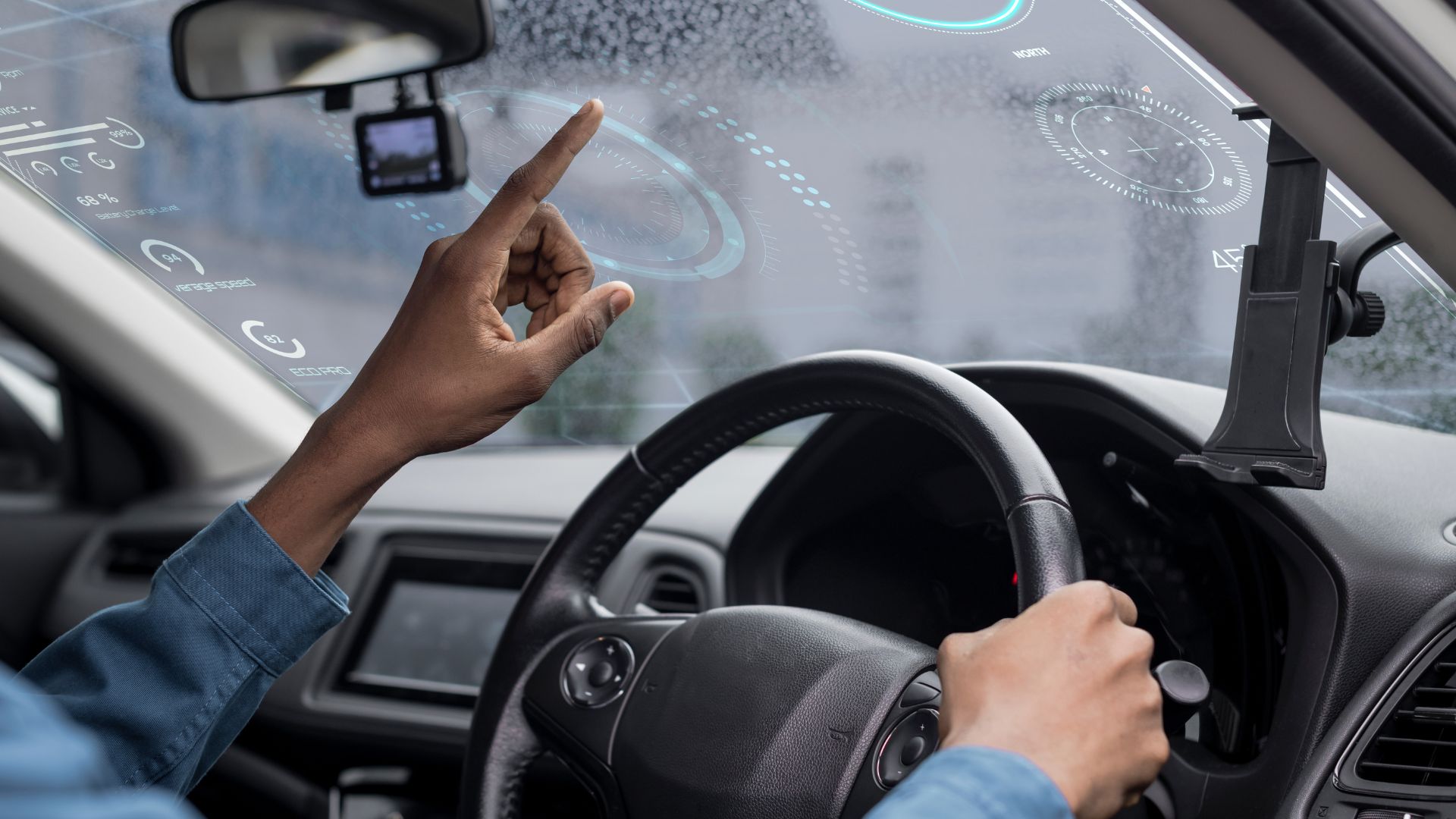
ADAS Levels Explained
To better understand what is ADAS in cars, it’s useful to look at the levels of automation defined in the automotive industry.
| Level | Description | Example |
|---|---|---|
| Level 0 | No automation | Manual driving |
| Level 1 | Driver assistance | Cruise control |
| Level 2 | Partial automation | Lane assist + ACC |
| Level 3 | Conditional automation | Self-driving in specific conditions |
| Level 4 | High automation | Fully autonomous in limited areas |
| Level 5 | Full automation | Completely driverless cars |
Most cars available today fall under Level 1 or Level 2, where the driver still has full control but receives assistance from the system.
Challenges and Limitations of ADAS
While ADAS offers numerous advantages, it is not without its limitations. Understanding these challenges is crucial when discussing what is ADAS in cars.
One major limitation is dependency on sensors and environmental conditions. Heavy rain, fog, or poor lighting can affect the accuracy of cameras and sensors, reducing system effectiveness. This means drivers should never rely entirely on ADAS.
Another challenge is the cost. Vehicles equipped with advanced ADAS features are often more expensive, making them less accessible for some buyers. However, as technology evolves, costs are gradually decreasing.
There is also the issue of driver overconfidence. Some drivers may become too reliant on these systems, assuming the car can handle all situations. This can be dangerous, as ADAS is designed to assist—not replace—the driver.
Future of ADAS Technology
The future of ADAS is incredibly promising and closely tied to the development of autonomous vehicles. As technology advances, the line between driver assistance and self-driving cars will continue to blur.
Artificial intelligence and machine learning will play a bigger role in improving system accuracy and decision-making. Vehicles will become better at understanding complex traffic situations and predicting potential hazards.
Additionally, vehicle-to-vehicle (V2V) and vehicle-to-infrastructure (V2I) communication will enhance ADAS capabilities. Cars will be able to share information with each other and with traffic systems, leading to smarter and safer roads.
As more governments implement stricter safety regulations, ADAS features are expected to become mandatory in many regions, further accelerating their adoption.
FAQs
What is ADAS in cars and why is it important?
What is ADAS in cars refers to advanced systems that assist drivers in improving safety and driving efficiency. It is important because it reduces accidents caused by human error and enhances overall driving comfort.
Is ADAS the same as self-driving technology?
No, ADAS is not the same as self-driving technology. While ADAS assists drivers, full self-driving systems aim to eliminate the need for human intervention entirely.
Can ADAS prevent all accidents?
ADAS significantly reduces the risk of accidents but cannot prevent all of them. Drivers must remain attentive and ready to take control at all times.
Are ADAS features available in all cars?
ADAS features are becoming more common but are not available in all vehicles. They are more prevalent in mid-range to premium cars, although entry-level models are gradually adopting basic features.
Does ADAS require maintenance?
Yes, ADAS systems require proper maintenance. Sensors and cameras must be clean and correctly calibrated to function effectively.
Conclusion
In today’s fast-evolving automotive landscape, understanding what is ADAS in cars is more important than ever. These advanced systems are not just luxury features—they are essential tools that enhance safety, reduce stress, and improve the overall driving experience.
From collision warnings to automated braking, ADAS technologies are reshaping how we interact with vehicles. While they are not a substitute for responsible driving, they provide an added layer of protection that can make a significant difference on the road.
Read More:-MG Cars in India: Features, Models, and Buying Guide